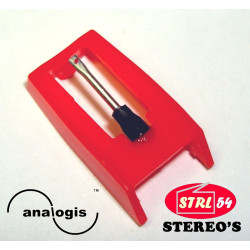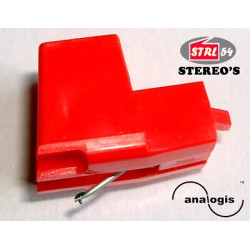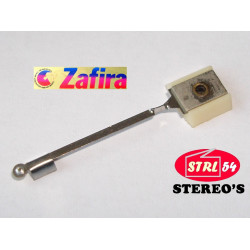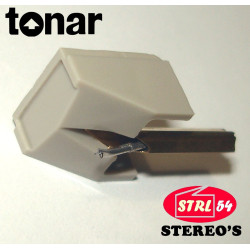
- Nouveau


 Garanties sécurité
(à modifier dans le module "Réassurance")
 Politique de livraison
(à modifier dans le module "Réassurance")
 Politique retours
(à modifier dans le module "Réassurance")
IMPORTANT :
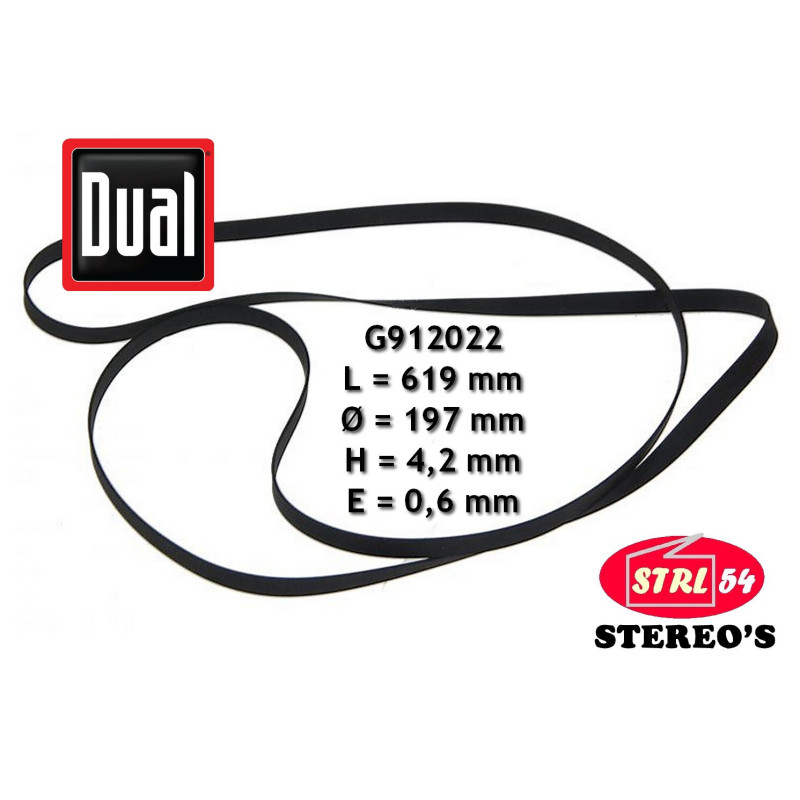
This belt will not suit all models of DUAL Vintage dual turntables, as there are, but will be able to go very well for models of other brands, for example a BST PR 70/2 (has been tested)
To find the adequate training belt for a conventional disks turntable , you can measure the diameter of the sub-platform, as well as the distance between the edge of the sub-platform and the axis of the engine pulley.
If the motor pulley axis is only distant from a few centimeters from the edge of the sub-platform (the most common case), a method is to choose a belt whose inner diameter is equal or a little lower than that of the sub-platform.
However, it is also necessary to see what is the ideal height for the belt, because it will have to pass between the fork moving for the change of speeds (33/45 etc) without rubbing, as well as the thickness of the rubber (elastomer), as it will influence the tension. Too relaxed a belt can skate and not be able to change the speed level on the engine axis, and conversely a strap too tense can slow down, or even block training.
IMPORTANT :
This Belt will not fit All Vintage DUAL Turnables, as there are so many of them of them, but it may be followed for other brands, for examples a bst pr 70/2 (has been tested).
To find the right Drive Belt for a Classic Turnable, you can measure the Diameter of the Sub-Platter, as well as the Distance Between the Edge of the Sub-Platter and the Motor Pulley Shaft.
If the Motor Pulley Axis is only a few Centimetres from the Edge of the Sub-Platter (The Most Common Case), One Method is to choose a Belt Whose Inside Diameter is Equal to or Slightly Smaller that of the Sub-Platter.
However, you also need to consider the ideal height for the Belt, as it will have to pass between the fork moving for the gear change (33/45 etc) without rubbing, as well as the thickness of the rubber (elastomer), as this will influence the tension. A Belt that is too much slack could slip and not be able to change gear on the motor shaft, and on the opposite, a belt that is too tightned could sweet down or even block the drive.
Fiche technique