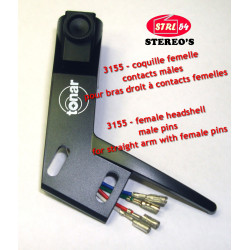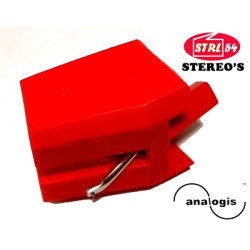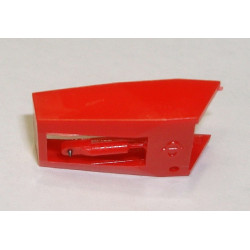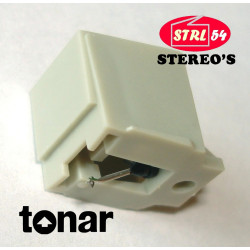
- Nouveau


 Garanties sécurité
(à modifier dans le module "Réassurance")
 Politique de livraison
(à modifier dans le module "Réassurance")
 Politique retours
(à modifier dans le module "Réassurance")
IMPORTANT :
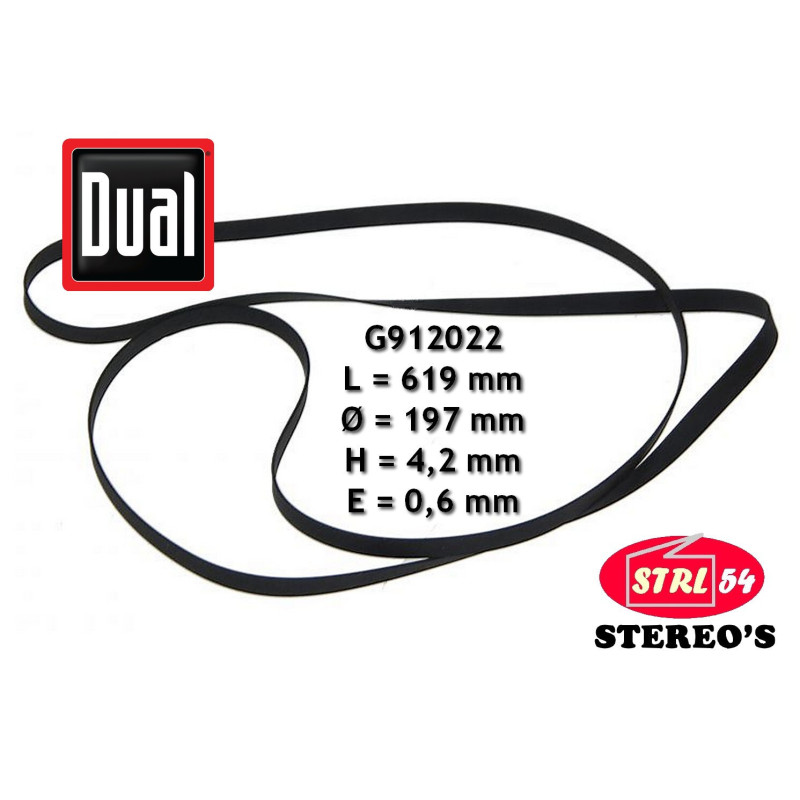
Cette courroie ne conviendra pas pour tous les modèles de platines-disques DUAL vintage, tant il y en a, mais pourra très bien aller pour des modèles d'autres marques, par exemple une BST PR 70/2 (a été testée)
Pour trouver la courroie d'entraînement adéquate pour une platine disques classique, vous pouvez mesurer le diamètre du sous-plateau, ainsi que la distance entre le bord du sous-plateau et l'axe de la poulie du moteur.
Si l'axe de poulie moteur n'est éloigné que de quelques centimètres du bord du sous-plateau (cas le plus courant), une méthode est de choisir une courroie dont le diamètre intérieur est égal ou un peu inférieur à celui du sous-plateau.
Cependant il faut également voir quelle est la hauteur idéale pour la courroie, car elle devra passer entre la fourchette se déplaçant pour le changement de vitesses (33/45 etc) sans frotter, ainsi que l'épaisseur du caoutchouc (élastomère), car cela va influer sur la tension. Une courroie trop détendue pourra patiner et ne pas pouvoir changer de palier vitesse sur l'axe moteur, et à l'inverse une courroie trop tendue pourra ralentir, voire bloquer l'entraînement.
IMPORTANT :
This belt will not fit all vintage DUAL turntables, as there are so many of them, but it may be suitable for other brands, for example a BST PR 70/2 (has been tested).
To find the right drive belt for a classic turntable, you can measure the diameter of the sub-platter, as well as the distance between the edge of the sub-platter and the motor pulley shaft.
If the motor pulley axis is only a few centimetres from the edge of the sub-platter (the most common case), one method is to choose a belt whose inside diameter is equal to or slightly smaller than that of the sub-platter.
However, you also need to consider the ideal height for the belt, as it will have to pass between the fork moving for the gear change (33/45 etc) without rubbing, as well as the thickness of the rubber (elastomer), as this will influence the tension. A belt that is too slack could slip and not be able to change gear on the motor shaft, and on the opposite, a belt that is too tightened could slow down or even block the drive.